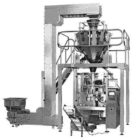
Automated Pouch Filling Machines: Quick Guide
Introduction
Automated pouch filling machines are Modern packaging systems that can efficiently fill and seal pre-made or reel-fed pouches with a wide range of products, including food and beverages, medications, and hardware
“These Machines fall into two categories: pre-made pouch machines, which fill and seal existing pouches, and reel-fed machines, which form pouches directly from a continuous roll of material before filling and sealing them.”
Pouch magazines, filling stations, sealing stations, and smart sensors are all essential components that provide great precision and efficiency.
These Machines provide increased production efficiency, improved precision, lower labor costs, and less waste.
Emerging technologies such as IoT integration and predictive maintenance are expanding their possibilities.
Automated Pouch Filling Systems
Automated pouch filling machines are sophisticated packaging systems that simplify the process of filling and sealing pre-made pouches containing a wide range of products. These machines are divided into two main categories:
Pre-Made Pouch Machines
Pre-made pouch machines are designed to work with bags or pouches that are already available. They are ideal for industries where packing requirements are consistent. These machines can accommodate a variety of bag sizes and pouch kinds, such as stand-up, pillow, 4-sided seal, 3-side seal, and quad pouches with zippers. They can be used in conjunction with depositors, liquid or powder fillers, multi-head weighers, and automatic filling systems.
Reel-fed Pouch Filling Machines
A continuous roll of packing material is fed into reel-fed Pouch filling machines, where it is formed into pouches, filled with product, and sealed. Because of their adaptability, reel-fed pouch machines can be utilized for a broader range of products and package designs, allowing them to satisfy changing needs across several industries.
Benefits of Automated Pouch Filling Machines
Automated pouch filling machines provide various benefits, including
Handling High-Volume Production: These machines increase productivity by effectively managing large-scale production.
Ensuring Consistent Product Quantities and Weights: They maintain precision, reducing errors associated with human filling.
Automation reduces labor costs and minimizes material waste.
Adapting to Different Pouch Shapes and Sizes: The machines are versatile in handling various pouch kinds.
Improved Product Protection: By forming airtight seals, these machines enable improved product preservation.
These machines are extremely versatile; they can fill pouches with pastes, liquids, powders, and grains, then heat seal them for portability and cleanliness. They are commonly used in a wide range of industries, including hardware packaging, cosmetics, pharmaceuticals, and food and beverage.
Essential Pouch Machine Components
Automated pouch filling machines are made up of several critical components that work together to provide efficient and accurate packaging. These components include:
Pouch Magazine
This component stores and dispenses pre-made pouches to the filling station. It may be modified to fit a variety of pouch sizes and styles.
Filling Station
This is where the product is dispensed into pouches. Depending on the machine model, it might include one or more filling stations to accommodate different products or enhance efficiency.
Sealing Station
After filling, the pouches are moved to the sealing station and hermetically sealed with heat-sealing technology. Some machines include extra functions such as gas flushing or vacuum sealing to improve product protection.
Zipper-opening and closing devices
Automated pouch filling machines with resealable closures frequently feature devices for opening and closing zippers or sliders throughout the packing process.
Sensor and Control Systems
Modern sensors ensure that the product is given only when the pouch is present. Examples of these sensors are “no bag-no fill” sensors. PLC (Programmable Logic Controller) and HMI (Human-Machine Interface) systems simplify machine operation, monitoring, and configuration.
Troubleshooting Common Pouch Machine Problems
While automated pouch filling machines have various advantages, they can occasionally encounter problems that affect performance and efficiency. Some frequent problems are:
Poor or inconsistent seal quality.
Inadequate heat or pressure, worn or broken sealing parts, and the incorrect sealing temperature or dwell time are all possible causes. To resolve this, ensure that the machine’s pressure and heating element settings are precisely calibrated, replace any worn-out or damaged parts, and set the temperature and dwell time according to the manufacturer’s recommendations.
Jammed or misaligned products.
Improper product feeding, worn-out or broken equipment such as belts or rollers, and incorrect machine calibration can all contribute to jams or misalignments. To address this issue, ensure that the product is correctly fed, replace any worn or damaged parts, and calibrate the machine according to the manufacturer’s recommendations.
Machine stops or shuts off.
Power outages, overheating, or defective sensors can all result in unexpected halt or shutdowns. To remedy these difficulties, ensure a stable power source, enough ventilation and cooling, and the replacement of any faulty sensors.
Extreme Noise or Vibration
Excessive noise or vibration might be produced by loose or misaligned components, worn or damaged bearings, or insufficient lubrication. To resolve these concerns, replace outdated bearings, align and tighten components, and ensure sufficient lubrication.
Frequent maintenance can help avoid many common issues and ensure that the pouch packing machine performs at its optimum. This maintenance includes cleaning the sealing bar surface, centering bags in grippers, and fixing worn parts.
Choosing an Ideal Pouch Filler
When choosing the appropriate pouch filling machine for your needs, consider the following factors.
Product characteristics:
Determine the type of product you will be packaging, including its viscosity, density, and size. This will help decide the best filling technology, such as auger fillers for powders and piston fillers for liquids.
Pouch Specifications:
Consider the pouch size, style, and material you’ll be utilizing. Make sure the machine can handle your special pouch needs, such as stand-up pouches, gusseted bags, or pouches with zippers or sliders.
Production Volume
Assess your existing and future production requirements to find a machine with the right speed and capacity. High-speed machines can fill up to 2,000 pouches per hour, but slower choices may be more suited to smaller enterprises.
Flexibility and Changeover
If you intend to package different items or utilize multiple pouch sizes, use a machine with quick and easy changeover capabilities. This will reduce downtime and provide increased production flexibility.
Automation Level:
Determine the level of automation necessary for your operation. Fully automated machines provide faster and more consistent results, although Gemseal abhilash industries semi-automatic options may be less expensive for smaller-scale production.
Budget and ROI
Set a budget for your packaging equipment and evaluate the whole cost of ownership over time, including maintenance and future improvements. Look for a machine that offers the best return on investment based on your specific needs.
You can select the pouch filling machine that best suits your product specifications, production goals, and financial constraints by carefully evaluating these variables and working with a reputable packaging equipment provider.
Emerging Pouch Filling Innovations
Pouch filling technology will evolve significantly in the future, improving customization, flexibility, and adaptability. The integration of Internet of Things (IoT) technology is one new trend that allows operators to monitor machine data in real-time, providing valuable information about operating parameters and encouraging proactive problem solving.
Another fascinating use is the use of machine learning algorithms in predictive maintenance. These clever algorithms can save money and time by anticipating potential mechanical failures and preventing breakdowns and work stoppage.
Fully automated packing procedures are increasingly using robotic technology. These robotics-based technologies improve accuracy, consistency, and productivity by requiring less human contact and posing fewer contamination risks. This is especially useful for delicate industries such as food and medical.
Future pouch filling machines will need to handle a wide range of pouch types, sizes, and materials, as well as a variety of working speeds, as customer tastes and manufacturing requirements evolve rapidly. To remain competitive in the ever-changing packaging industry, firms must maintain their flexibility.
Conclusion
Automated pouch filling machines are transforming the packaging industry, providing businesses with several benefits such as enhanced accuracy and efficiency, as well as fewer labor costs and waste.
With capabilities such as Iot connectivity, predictive maintenance, and robotic systems, these Machines are getting more sophisticated as technology advances, stimulating innovation and impacting packaging trends.
Businesses may choose the best pouch filling machine by carefully assessing their particular requirements and collaborating with reputable equipment vendors. This will optimize their operations, improve the quality of their output, and increase their overall competitiveness in the industry.
Pouch packing machine manufacturing